
2025-06-03
Water is essential for life, yet with increasing urbanization and industrialization, managing wastewater has become a significant challenge. In regions like Kerala, where water resources are precious, effective wastewater treatment is essential for transforming the contaminated water into safe for the environment and suitable for reuse. Sewage treatment plant service in Kerala, specializing in providing tailored sewage and wastewater treatment solutions by removing pollutants from wastewater and ensuring that the treated water can be safely discharged or reused.
In this blog, we can understand the importance of cleaning wastewater and the process of sewage treatment plants for cleaning the wastewater.
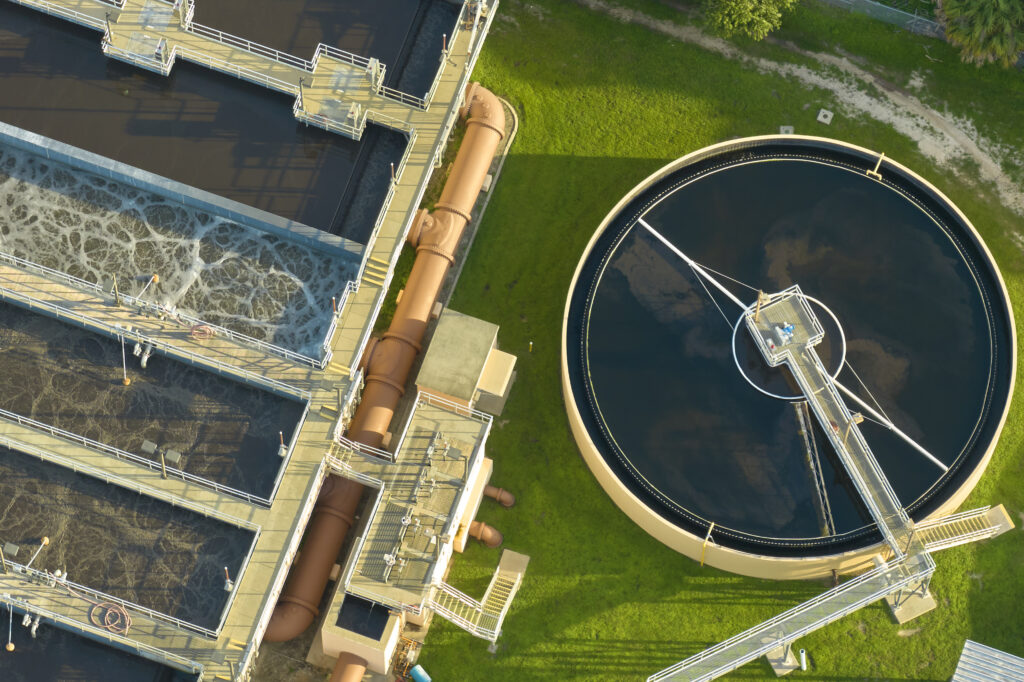
A Sewage Treatment Plant (STP) is a facility designed to clean wastewater treated in a plant. 80% of water supplied comes as wastewater from household activities such as water from toilets, sinks and drains. STPs play an important role in protecting public health and the environment by removing contaminants from sewage before it is discharged into rivers, lakes or other water resources. Sewage water treatment includes step-by-step procedures to reduce the harmful materials from the water.
How it works:
The wastewater from the toilet, shower and dishes flows through a network of underground pipes. These pipes transport the wastewater from our homes and businesses to the sewage treatment plant and ensuring all the water reaches the right place for cleaning.
The wastewater first passes through screens that catch large debris like sticks, rags and plastic items to prevent damage to equipment. Then, the water moves into grit chambers where heavier materials like sand and small stones settle out.
The water is held in large sedimentation tanks where heavy solids settle to the bottom and form sludge, while oils and lighter materials float to the top and are skimmed off. This step removes a significant portion of the contaminants and making the water much clearer.
In this stage, the water is introduced to aeration tanks where air is pumped in, encouraging bacteria to grow. These microorganisms feed on the remaining waste and break it down naturally.
This involves filtering the water through sand or a membrane to remove any remaining particles. Additionally, disinfection methods like UV light or chlorination are used to kill any pathogens to meet specific water quality standards.
The treated water is ready to be returned to nature or reused. It can be released into natural water bodies or repurposed for activities like agriculture, industrial processes or underwater supplies.
Cleaning wastewater is essential for maintaining public health, protecting the environment and ensuring sustainable water resources. Wastewater carries harmful pathogens and pollutants that pose serious health risks, including diseases like cholera and typhoid fever. Discharging untreated wastewater into natural water bodies can harm the aquatic system. By treating wastewater, we remove contaminants and reduce the spread of waterborne diseases. In Kerala, where water resources are under pressure due to population growth and climate variability, the role of STPs becomes even more critical. By effectively treating and recycling wastewater, STPs protect public health and the environment.
In today’s world, we often overlook the journey of the water we use. From flushing toilets to washing dishes, wastewater flows through a network of underground pipes to sewage treatment plants. These facilities are essential in removing contaminants and ensuring the water is safe to return to the environment. Sewage treatment plant service in Kerala offers effective wastewater management solutions and specializes in designing, installing and maintaining sewage and wastewater treatment plants. Let’s turn wastewater into clean water. Contact us now!