
2026-07-06
Every day, we use water for bathing, cooking, washing clothes, cleaning floors and countless other household activities. But once that water flows down the drain, most people never think about it again. Does it simply disappear? Does it end up in rivers or the ocean?
The truth is that untreated wastewater can become a serious threat to public health and the environment. It can contaminate water bodies, spread harmful bacteria, damage ecosystems and create unpleasant living conditions. With advanced treatment technologies, dirty water can be cleaned, recycled and transformed into a valuable resource that supports sustainable living. Understanding how this process works helps us appreciate the importance of proper wastewater management and the growing need for professional wastewater treatment plant service in Kerala.
Wastewater is any water that has been used and contaminated through daily activities in homes, apartments, hotels, hospitals, commercial buildings and industries. It originates from sources such as kitchen sinks, bathrooms, toilets, laundry facilities, restaurants, factories and other commercial establishments. This wastewater often contains dirt, oils, chemicals, organic matter, bacteria and other pollutants that must be treated before it can be safely released or reused.
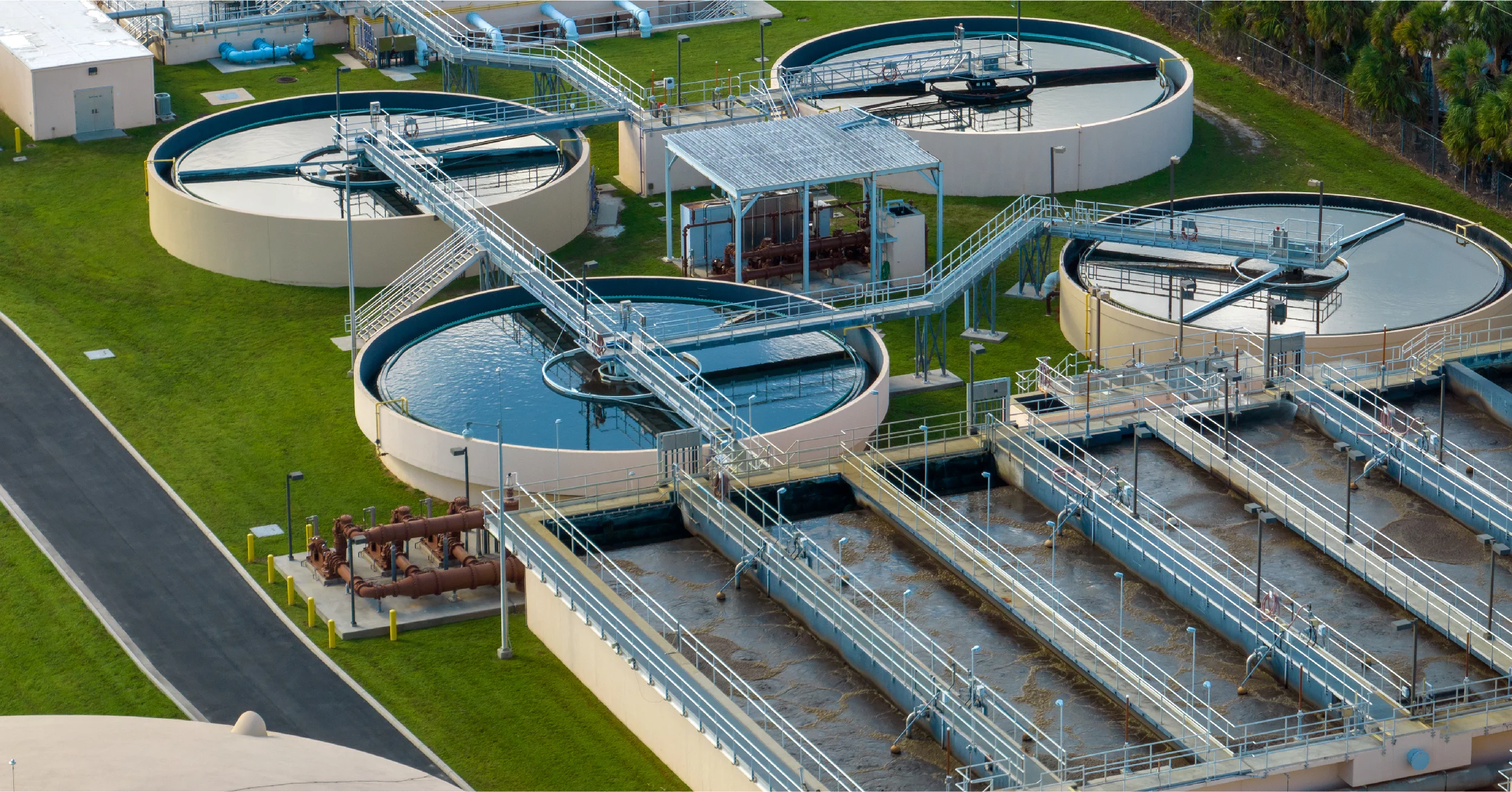
Once wastewater leaves a home or building, it travels through underground drainage networks and enters a sewage collection system, which carries it to treatment facilities such as a sewage treatment plant in Kerala. These facilities are designed to remove harmful contaminants, protect public health and return clean water safely to the environment. Without proper wastewater treatment, untreated sewage can pollute rivers, lakes, groundwater and agricultural land, creating serious environmental and health risks.
Many people imagine wastewater treatment as a simple filtration process. In reality, it involves several carefully designed stages that remove different types of contaminants.
The first stage removes large materials such as:
● Plastic waste
● Paper
● Cloth
● Stones
● Other debris
Special screens and grit chambers prevent these materials from damaging equipment and obstructing the treatment process.
During primary treatment, wastewater is held in large tanks where heavier particles settle at the bottom while oils and grease float to the surface.
This process removes a significant amount of suspended solids before the water moves to the next stage.
This is one of the most important stages of wastewater treatment.
Beneficial microorganisms break down organic waste present in the water. These microbes consume pollutants and significantly improve water quality.
This biological process removes:
● Organic matter
● Harmful bacteria
● Nutrients that can damage aquatic ecosystems
Most professional home wastewater treatment services in Kerala use advanced biological treatment methods to ensure effective purification.
At this stage, the water undergoes additional treatment to remove remaining contaminants.
Advanced processes may include:
● Sand filtration
● Activated carbon filtration
● UV disinfection
● Membrane filtration
The treated water becomes significantly cleaner and safer for reuse or discharge.
One of the biggest misconceptions about wastewater is that it remains useless even after treatment.
In reality, treated wastewater can be reused in many beneficial ways.
Treated water can be used for:
● Gardening
● Parks
● Landscaping
● Agricultural irrigation
This reduces the demand for fresh water resources.
Many industries reuse treated water for:
● Cooling systems
● Process operations
● Equipment cleaning
This is one reason why industrial water treatment solutions in Kerala are becoming increasingly important for sustainable manufacturing.
Properly treated water can help replenish groundwater reserves and support long-term water security.
Cleaned wastewater can be safely released into rivers and water bodies without causing environmental damage.
Kerala faces growing challenges related to:
● Urbanization
● Population growth
● Water scarcity
● Environmental pollution
As demand for water increases, wastewater treatment becomes essential for sustainable development.
Professional wastewater treatment plant service in Kerala helps communities and industries manage water responsibly while protecting natural resources.
Similarly, modern home wastewater treatment services in Kerala are helping residential properties reduce environmental impact and improve sanitation standards.
Modern wastewater treatment is evolving rapidly with technologies such as:
● Smart monitoring systems
● Membrane bioreactors (MBR)
● IoT-based water management
● Energy-efficient treatment systems
● Water reuse and recycling technologies
These innovations are transforming wastewater from an environmental challenge into a sustainable resource.
As awareness grows, more households, residential communities and industries are investing in advanced wastewater treatment systems to create cleaner and healthier environments.
Wastewater should never be viewed as a problem to be discarded. With the right treatment systems, it becomes a valuable resource that supports water conservation, environmental protection and sustainable growth.
At Watermaq, we believe every drop of water has value. Through advanced treatment technologies, customized solutions and expert support, we help homes, businesses, and industries transform wastewater into a reusable resource.
Looking for a trusted wastewater treatment plant service in Kerala?
Connect with Watermaq today and take a step toward a cleaner, healthier and more sustainable future.